
If you’re shopping for shotgun shells in San Antonio, you’re probably doing it for a reason: home defense, dove season, waterfowl, turkey, hogs, clays, or just keeping the right loads on hand for the range. The tricky part isn’t finding “a box of shells”—it’s finding the right gauge, the right shell length, the right shot size, and the right load for what you’re doing. That’s exactly why the Shotgun Shells category at Hill Country Outfitters in San Antonio, Texas is built for real-world shooters who want clarity, consistency, and dependable inventory.
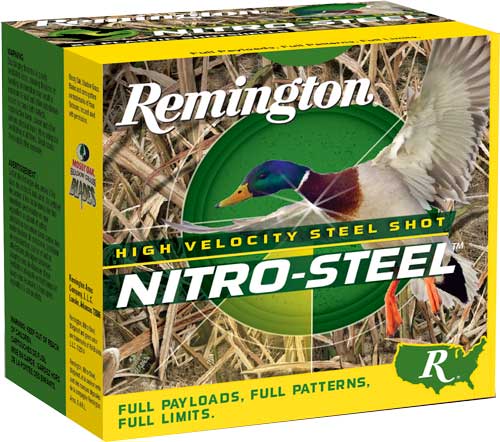
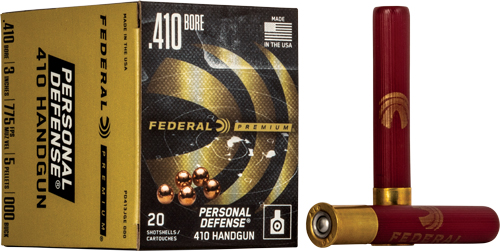
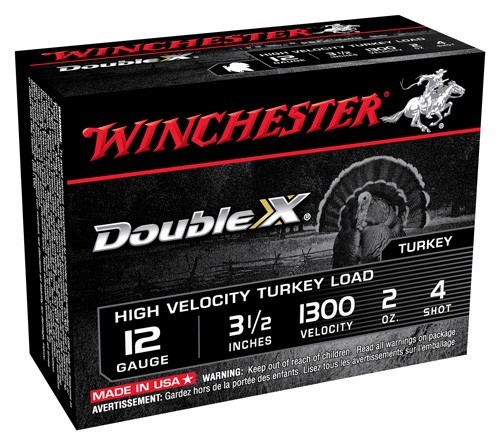
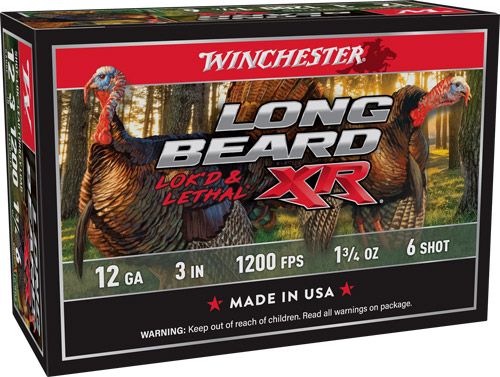
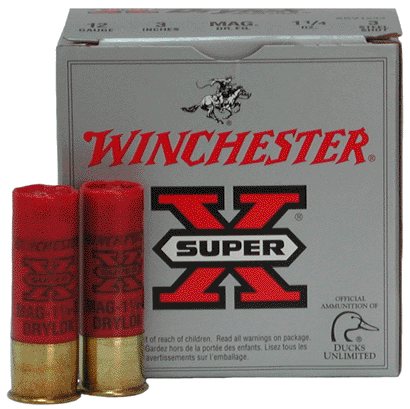
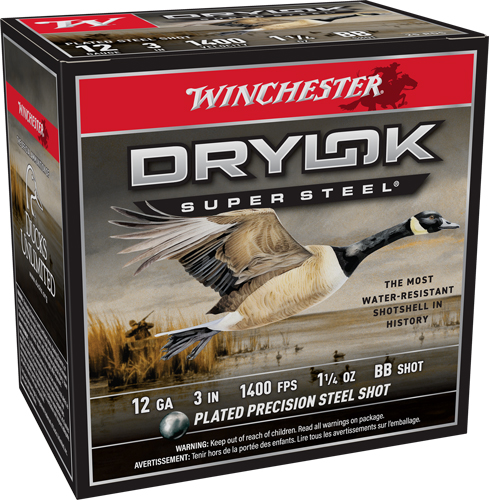
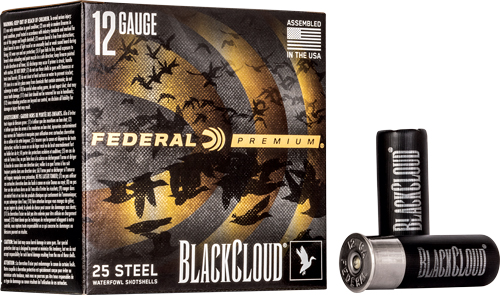
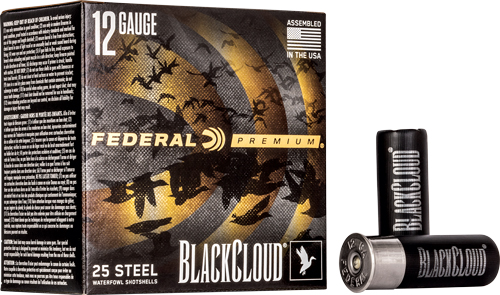
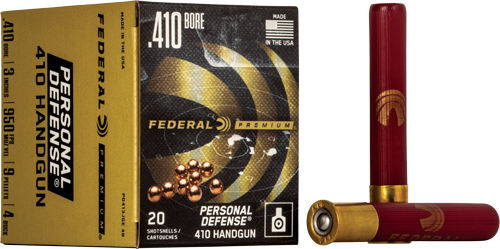
Whether you’re running a 12 gauge pump, a 20 gauge semi-auto, a 410 for a youth shooter, or a dedicated turkey gun set up for tight patterns, the right ammunition makes all the difference. From birdshot to buckshot to slugs, Hill Country Outfitters makes it easy to compare common options and stock up with confidence—so you’re not guessing when it matters most.
Before you choose a load, make sure the fundamentals match your shotgun:
12 gauge: Most common, widest ammo selection, best “do-it-all” option.
20 gauge: Lighter recoil, great for upland hunting, newer shooters, and many defensive setups.
28 gauge / .410: Often chosen for specific hunting or youth use; ammo can be more specialized.
Shell length affects payload, recoil, and compatibility.
2 ¾”: Standard for many uses (clays, upland, training, some defense).
3″: Common for turkey and waterfowl loads; often more pellets and energy.
3 ½”: Maximum payload options—usually heavier recoil and used for specific hunting applications.
Important: Always use ammunition that matches your shotgun’s chamber rating. If your shotgun is chambered for 2 ¾”, don’t run 3″ or 3 ½” shells.
Birdshot shells are typically used for:
Sporting clays
Trap and skeet
Upland birds (dove, quail, pheasant)
Pest control where appropriate and lawful
#8 or #9: Very common for clays and light upland.
#7½: A classic “all-around” choice—often seen in clays and some upland applications.
#6 / #5 / #4: Larger pellets for tougher birds or longer distances (depends on your hunt and local rules).
Target loads: Built for volume shooting, consistent patterns, manageable recoil.
Field loads: Often a bit hotter, designed for hunting performance.
If you shoot weekly or train a lot, consider grabbing bulk target loads for practice and saving specialized loads for hunt days.
Buckshot is typically selected for:
Home and property defense
Ranch use
Feral hogs (common in Texas, and load choice matters)
00 Buck: One of the most common defensive choices.
#1 Buck: Strong option with a balance of pellet count and performance.
#4 Buck: More pellets, often discussed for certain defensive setups—pattern testing is key.
Buckshot performance is heavily influenced by your shotgun’s barrel, choke, and the specific load—so patterning at realistic distances is worth the time. Hill Country Outfitters’ selection is designed to help you compare common defensive standards and pick what fits your setup.
Slugs are chosen when you want a single projectile instead of a spread pattern. They’re common for:
Hogs and deer (where legal)
Barrier-blind or extended-range applications
Specialized hunting or property defense needs
Foster (rifled) slugs: Common for smoothbore barrels.
Sabot slugs: Typically used with rifled barrels for improved accuracy potential.
If your goal is accuracy at distance, slugs are not “one-size-fits-all.” Your barrel type matters, and the best slug is often the one your gun groups most consistently.
Turkey hunting is where many shooters get the most “ammo-specific.” Turkey loads are built for:
Dense patterns at typical turkey distances
High pellet energy
Consistency shot-to-shot
Key things to look at:
Shot size (varies by preference and regulations)
Shell length (commonly 3″ or 3 ½”)
Pattern density with your choke
In South and Central Texas, turkey loads are a big deal—especially if you’re dialing in a dedicated setup. If you’re building or upgrading your turkey loadout, Hill Country Outfitters is a solid place to start your ammo search.
Waterfowl ammo often comes with additional considerations:
Local and federal regulations (commonly non-lead shot requirements)
Performance in wet, cold, windy conditions
Reliable cycling in semi-autos
Common non-lead shot types you’ll see include options like steel and other approved alternatives. Your choke selection may also matter—some chokes are designed specifically for certain shot materials.
Not every box of shells is meant to thump your shoulder.
Great for:
New shooters
Faster follow-up shots
Short practice sessions
Defensive configurations where control matters
Depending on availability and demand, you may also see:
High-velocity hunting loads
Heavy payload loads
Specific purpose loads for particular seasons or disciplines
If you’re unsure what you need, start with your goal (clays vs dove vs defense vs hogs) and build from there.
If you want a quick way to narrow it down:
Trap / Skeet / Sporting Clays: Target birdshot (often #7½–#9 depending on discipline)
Dove / Quail: Birdshot suited to upland (often lighter shot sizes and manageable recoil)
Turkey: Dedicated turkey loads + pattern testing
Waterfowl: Non-lead shot loads appropriate to regs + weather
Home Defense: Quality buckshot (pattern your load)
Hogs: Buckshot at closer ranges or slugs when you need more reach/precision
Your shotgun, choke, and typical distance matter as much as the label on the box.
Buying shotgun ammo online can work, but local shopping has real advantages—especially when you need the right load today:
Get what you need now (no waiting on shipping timelines)
Compare options side-by-side (gauges, lengths, shot sizes, brands)
Ask questions and match ammo to your use-case
Stock up for season (dove, turkey, waterfowl, and range days)
Hill Country Outfitters serves the San Antonio community with a practical selection of shotgun shells for the way Texans actually shoot—hunting, clays, ranch use, and defense.
From everyday target loads to purpose-built hunting ammo, plus buckshot and slugs for defensive and field applications, Hill Country Outfitters makes it easy to find the right shotgun shells for your setup.
Browse the Shotgun Shells category to compare gauge, shell length, shot size, and load type—then stock up with confidence for your next hunt, your next range day, or simply staying prepared.
If you’re in San Antonio, Texas, stop by Hill Country Outfitters and get the right shells for the job—without the guesswork.